Where our sarees come from: five weaving clusters
Kanchipuram, Varanasi, Chanderi, Maheshwar and Phulia - what each cluster makes and why it matters who you buy from.
The Suti Sancha team · · 7 min read
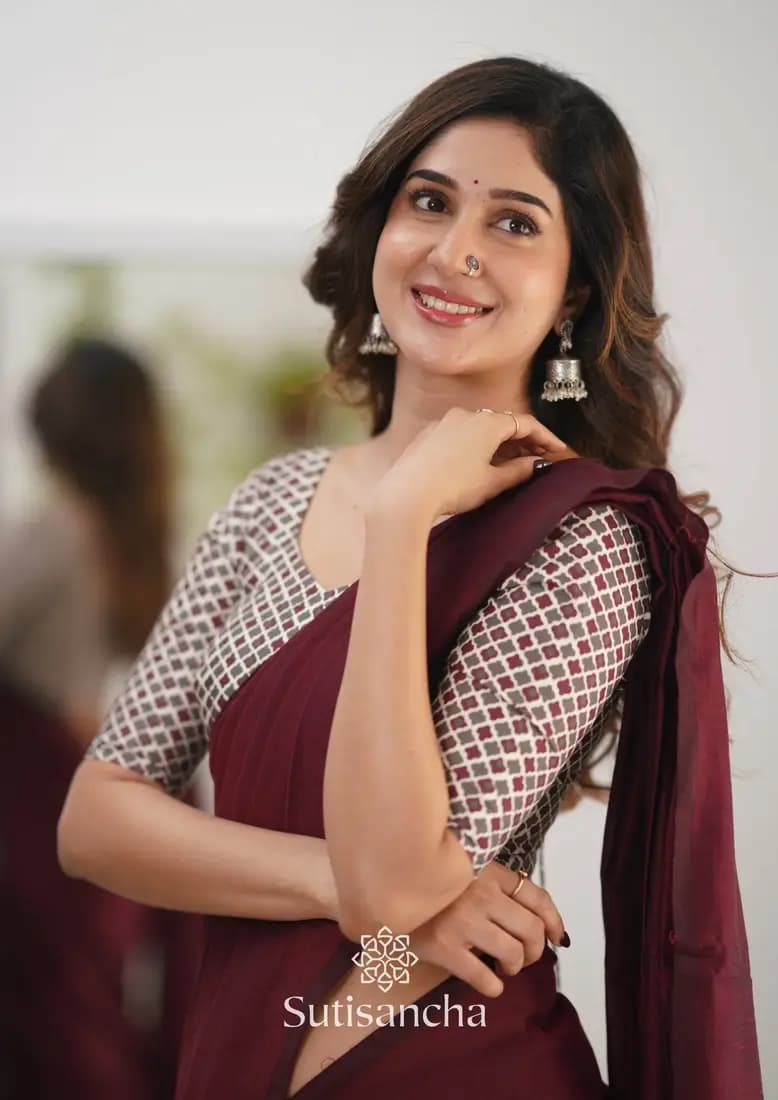
Handloom is regional in the way food is regional. A weave belongs to a place because the yarn, the water, the loom and the hands all came from there.
Kanchipuram, Tamil Nadu
Mulberry silk, heavy zari, korvai borders. The looms here are built for weight.
Varanasi, Uttar Pradesh
Brocade. Kadhwa and fekua techniques, mughal-influenced motifs, and the densest zari work in India.
Chanderi, Madhya Pradesh
Sheer cotton-silk. The yarn is never degummed, which is where the glassy transparency comes from.
Maheshwar, Madhya Pradesh
Reversible borders, narrow stripes, cotton warp with a silk weft.
Phulia, West Bengal
Jamdani in fine-count cotton, woven by families who moved from Tangail after 1947.
Why the middle matters
A saree usually passes through a master weaver, a trader, a wholesaler and a retailer. Each takes a cut, and the weaver - who did the work that takes three weeks - takes the smallest. Buying closer to the loom changes that split, which is the entire reason we do it.
Sarees mentioned in this article
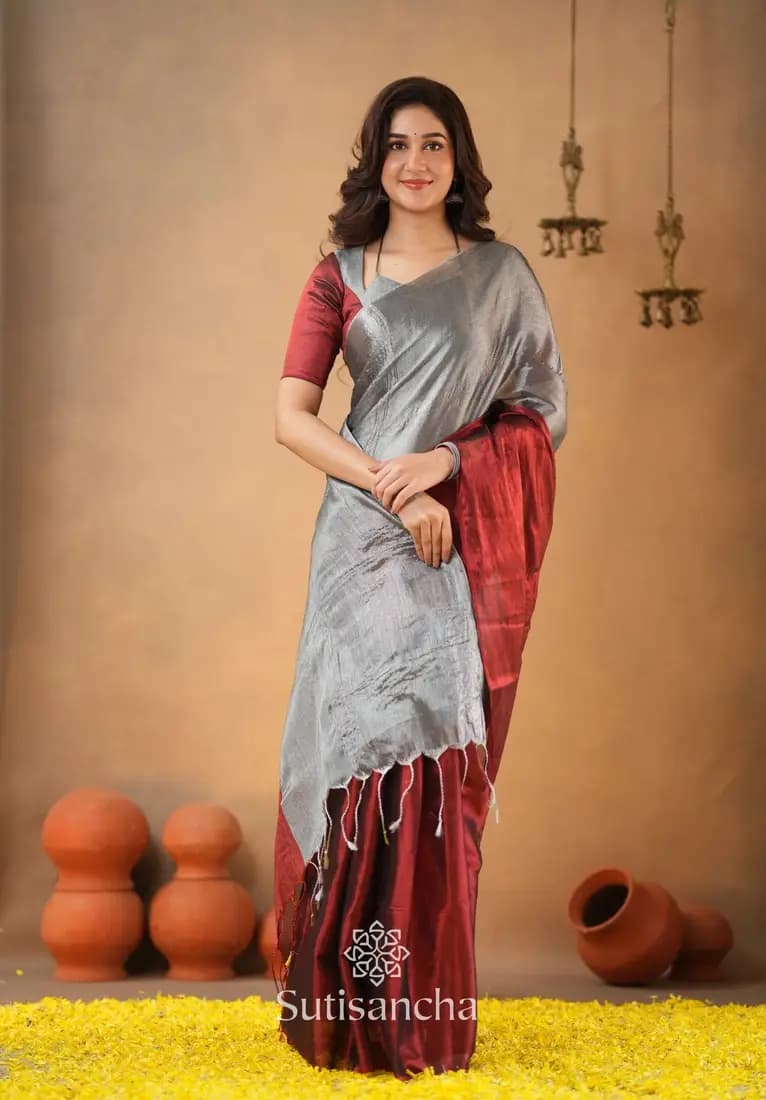
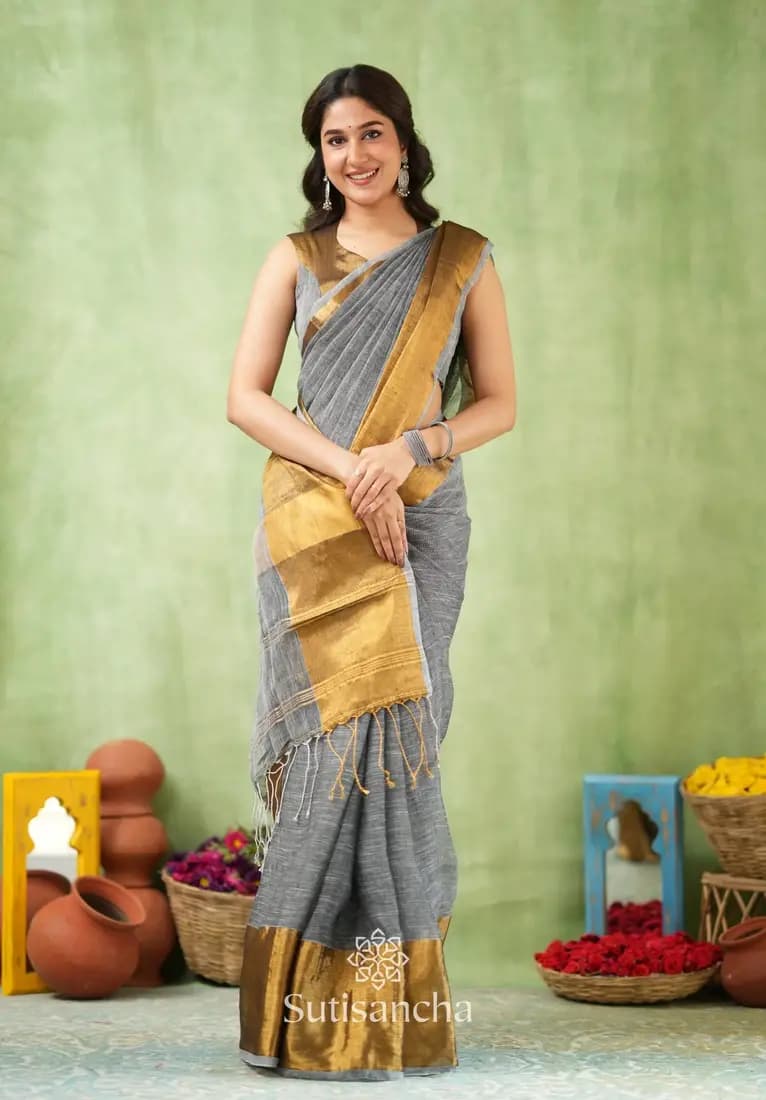
Jamdani Cotton Saree in Ivory with Grey Motifs
21%off₹5,499.00INR
Original price ₹6,999.00INR